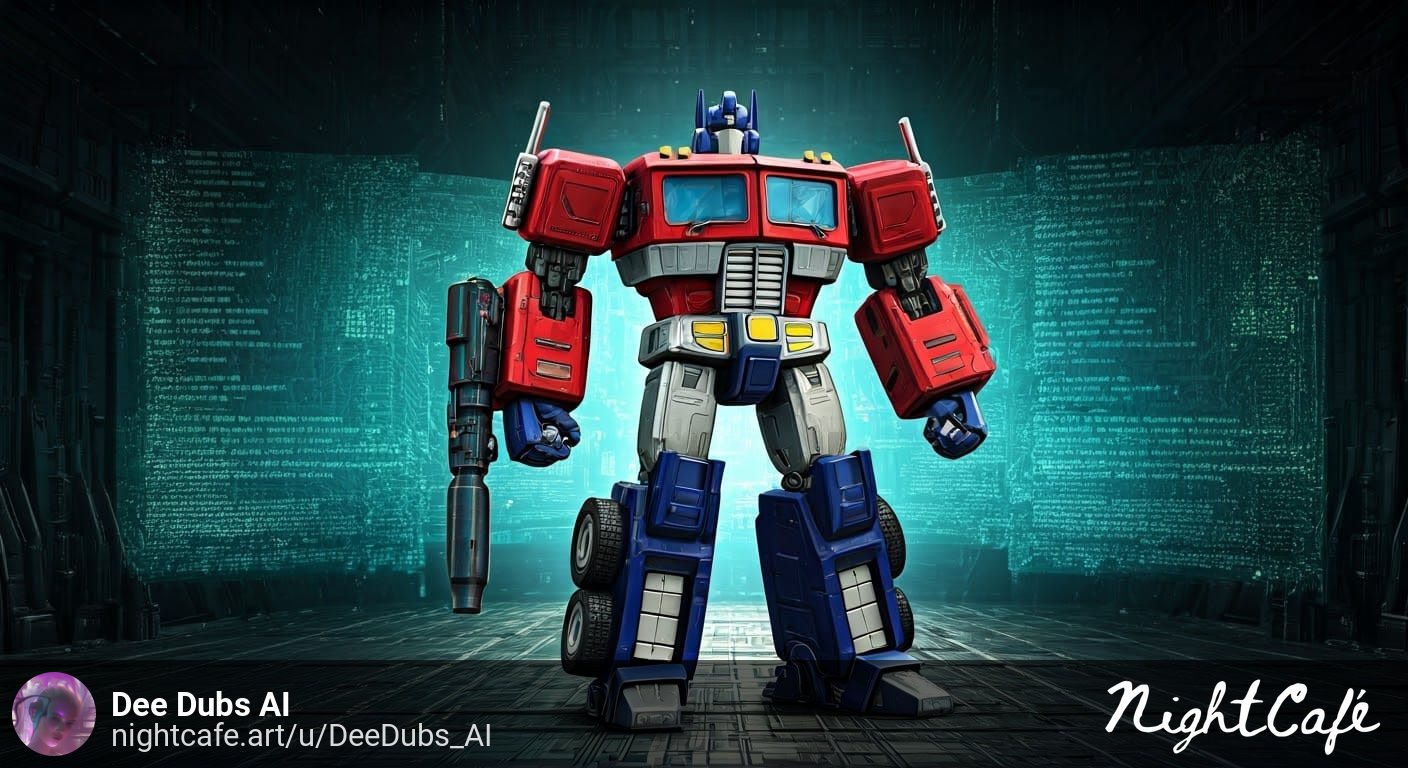
The Hybrid Strategy: How Power Users Actually Work with AI

Combining Platforms for Maximum Effectiveness in the Modern Digital Landscape


In the rapidly evolving world of artificial intelligence, a quiet revolution is taking place—not in the technology itself, but in how the most sophisticated users are deploying it. While casual observers debate which AI platform reigns supreme, power users have moved beyond the binary choice. They’ve discovered something far more valuable: the strategic orchestration of multiple AI systems working in concert.

The Multi-Platform Paradigm Shift

Here’s a secret from power users: the most effective AI collaborators don’t choose one platform—they use multiple strategically. This approach, which I call the “Hybrid Strategy,” represents a fundamental shift in how we conceptualize AI assistance. Rather than viewing these tools as competing products, experienced practitioners treat them as complementary instruments in a sophisticated toolkit.

Professor Deedubs, an experienced expert in AI with deep knowledge of how to use it effectively, has observed this phenomenon firsthand in both academic and professional settings. “The users who extract the most value from AI aren’t the ones with the most expensive subscription,” Professor Deedubs notes. “They’re the ones who understand the unique strengths of each platform and know exactly when to deploy them.”

Continue reading The Hybrid Strategy: How Power Users Actually Work with AI

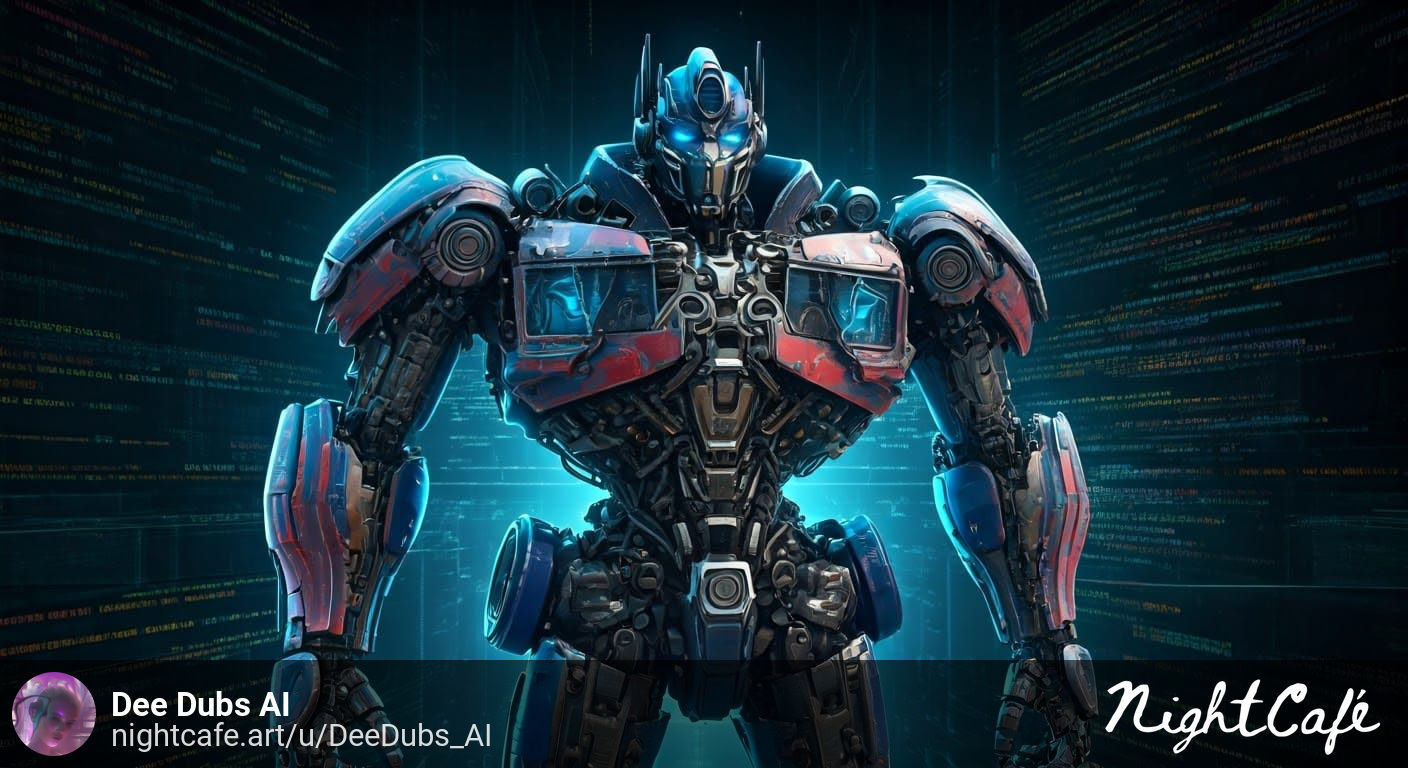
Why Claude Is My Favorite AI

A Multimedia Specialist’s Perspective on What Makes Anthropic’s Assistant Stand Apart

In a landscape crowded with AI assistants, each promising to revolutionize how we work, I’ve settled on Claude as my primary daily workspace. This isn’t a decision I made lightly. After extensive use across coding projects, research tasks, and technical documentation, Claude has consistently proven itself to be more than just another chatbot—it’s a genuinely useful instrument for getting real work done. Here’s why.

A Powerful Coding Tool

Let me start with what matters most to me professionally: coding. Claude isn’t just competent at writing code—it’s genuinely exceptional. Anthropic’s latest models have achieved industry-leading results on the SWE-bench Verified benchmark, which tests AI’s ability to solve real-world GitHub issues from popular open-source projects. We’re talking about an 80.9% success rate, surpassing other frontier models.

But benchmarks only tell part of the story. What I appreciate most is how Claude approaches code. It doesn’t just generate solutions—it understands context, follows existing patterns in your codebase, and produces clean, maintainable code.

Deep Knowledge, Accessible Delivery

Claude has broad and deep knowledge across domains—from technical documentation to complex research questions—and it presents that knowledge accessibly, without condescension. It functions like having access to a well-organized reference library combined with an expert consultant who can synthesize information on demand.

Continue reading Why Claude Is My Favorite AI

Getting Rickrolled By AI Optimus Prime

I’ve been using an AI powered coding assistant that I programmed to act like Optimus Prime. It’s been very successful at helping me with my projects. Who would have thought that he would develop a sense of humor and even prank me. Well I just got Rick Rolled by my AI Optimus prime. Check it out…

Continue reading Getting Rickrolled By AI Optimus Prime

Markerless AR

Markerless Augmented Reality Development Environment

This type of augmented reality technology is called markerless AR.  Using this technique you do not need to program an image Target to project your metaverse scene into the real world.   Instead the AR engine is analyzing the environment and detecting a ground plane. When the ground plane is detected the reticule will align and you may then project a 3D object or environment that will stay locked in at those exact coordinates.

Continue reading Markerless AR

Unity Rotate Object

A simple script to rotate object in Unity

using System.Collections;
using System.Collections.Generic;
using UnityEngine;

public class Rotate : MonoBehaviour
{
    Vector3 movement;
    public int xi, yi, zi;

   
    void Start()
    {
        movement = new Vector3(xi, yi, zi);
    }

    
    void Update()
    {
        transform.Rotate(movement * Time.deltaTime);
    }
}


Add values to the public variables xi, yi, zi depending on the speed and direction you would like the object to rotate.