By Professor DeeDubs | Realm Forge Academy
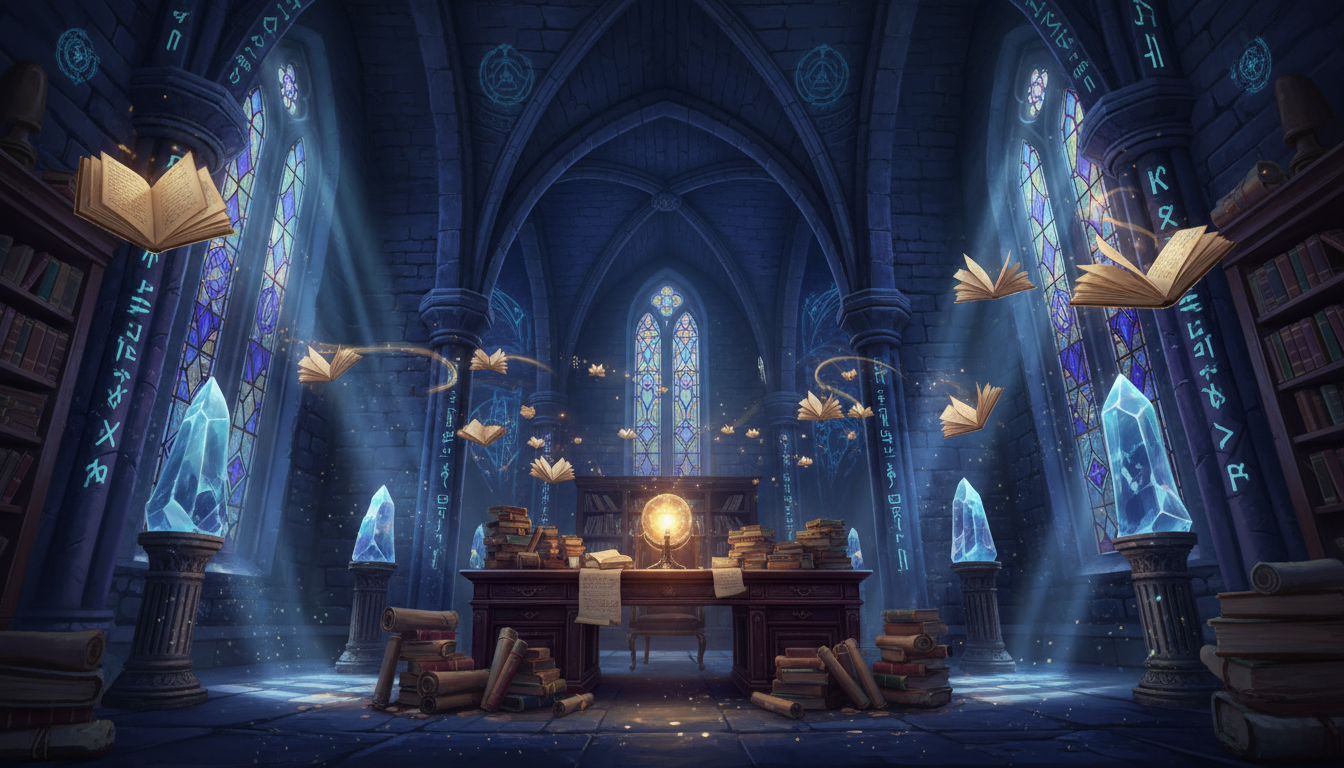
When we watch a wizard cast a spell in our favorite fantasy story, something magical happens beyond the fictional incantation itself. We either lean forward, invested in whether the magic will work—or we lean back, sensing that the author will simply make whatever happens most convenient for the plot. The difference between these two experiences isn’t luck or talent alone. It’s architecture.
Fantasy author Brandon Sanderson has articulated a framework for thinking about magic systems that has quietly revolutionized how creators approach the fantastical. His observations—often called “Sanderson’s Laws of Magic”—aren’t rules to be followed rigidly, nor are they secrets known only to published authors. They’re learnable principles that help us understand why some magical moments leave us breathless while others leave us shrugging.
More importantly, they’re tools you can use in your own creative work.

The First Principle: Understanding Enables Investment
Sanderson’s most famous observation is elegantly simple: the more clearly readers understand how magic works, the more satisfying it becomes when magic solves problems.
Think about it from your own experience as a reader or viewer. When Harry Potter uses Expelliarmus to disarm an opponent, you understand what happened and why it worked. When Aang in Avatar: The Last Airbender combines waterbending and earthbending in a creative way, you can follow his logic. These moments feel earned because you’ve been given the tools to appreciate them.
Contrast this with a wizard who simply waves their hand and declares “I have banished the darkness forever” without any established framework for how such banishment works. The problem is solved, but are you satisfied? Probably not—because you weren’t able to participate in the solution. You were merely told it happened.
This doesn’t mean every magic system needs exhaustive explanation. Gandalf’s magic in The Lord of the Rings remains largely mysterious, and that mystery serves Tolkien’s purposes beautifully. The key insight is that mysterious magic works best for creating wonder and atmosphere, while well-defined magic works best for solving problems. Understanding which approach serves your story is the first step toward intentional world-building.
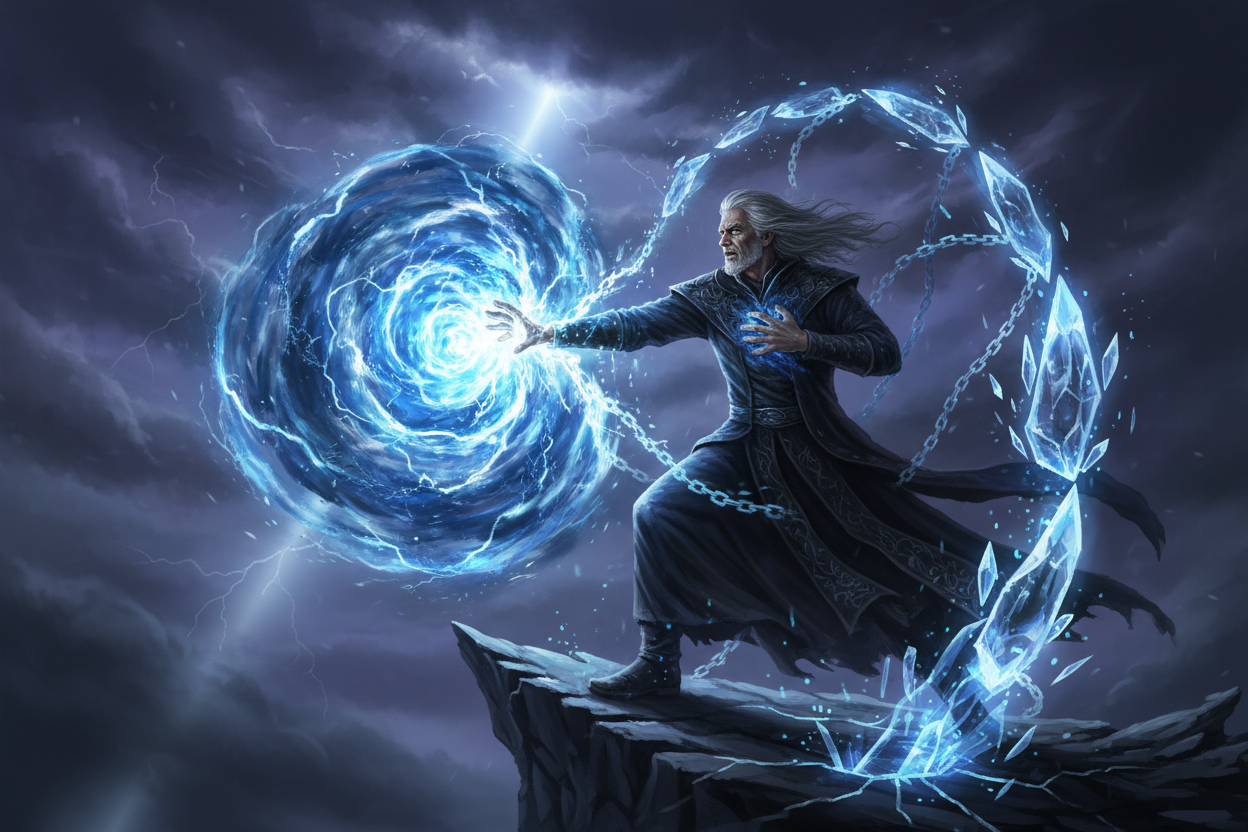
The Second Principle: Limitations Create Drama
Here’s a counterintuitive truth that transforms how you think about fantasy: what your characters cannot do is often more interesting than what they can do.
Consider Superman. The most compelling Superman stories aren’t about his incredible powers—they’re about kryptonite, about his moral limitations, about the people he loves who can be threatened despite his strength. The constraints are what create narrative tension.
The same principle applies to magic systems. A wizard who can do anything is narratively boring. A wizard who can reshape reality but loses a year of their life with each casting? Now we have stakes. A mage who can read minds but must make physical contact? Now we have tactical challenges. A sorcerer whose power depends on the phases of the moon? Now we have urgency and timing.
When you’re designing magic for your world, spend as much time on the costs, limitations, and consequences as you do on the flashy abilities. Your readers will thank you—even if they never consciously notice why the magic feels so compelling.

The Third Principle: Depth Before Breadth
It’s tempting, when building a fantasy world, to keep adding new types of magic. Fire magic! Then ice magic! Then shadow magic! Then time magic! Soon you have a sprawling system that feels more like a video game menu than a living world.
The alternative approach is to explore what you already have before adding something new. What are the unexpected applications of fire magic? How does it interact with the culture, economy, and daily life of your world? What happens when fire magic meets water in a rainstorm—does it create steam, or does the magic have its own rules about elemental interaction?
This principle rewards patience and curiosity. Instead of inventing a new magical discipline every time you need something for your plot, dig deeper into what already exists. You’ll discover that constraints breed creativity, and that a focused magic system with rich implications often feels more magical than a sprawling one with shallow implementation.
Beyond Rules: The Spirit of the Framework
I want to be clear about something: these principles aren’t commandments carved in stone. They’re observations about what tends to create satisfying experiences for audiences. Plenty of beloved fantasy works break these “rules” gleefully—and succeed because they understand why the principles exist well enough to deviate intentionally.
The real gift of this framework isn’t a checklist to follow. It’s a vocabulary for thinking about choices you’re already making. When you read a fantasy novel that doesn’t quite work for you, you now have language to articulate why. When you’re designing your own world and something feels off, you have diagnostic questions to ask.
Why did that climactic magical battle feel anticlimactic? Perhaps the solution relied on magic the reader didn’t understand.
Why does this magic system feel flat despite having twelve different schools of sorcery? Perhaps you’ve prioritized breadth over depth.
Why doesn’t this all-powerful wizard feel threatening? Perhaps they have no meaningful limitations.
Your Invitation to Intentional Creation
Fantasy is humanity’s oldest creative tradition. From the Epic of Gilgamesh to this morning’s anime episode, we’ve always told stories about the impossible made possible. The difference between forgettable fantasy and unforgettable fantasy often comes down to craft—to the intentional choices that shape how magic operates in a fictional world.
The principles we’ve explored here aren’t secrets. They’re not gatekept knowledge available only to bestselling authors. They’re frameworks that any thoughtful creator can learn, internalize, and apply. Whether you’re writing a novel, designing a tabletop RPG campaign, developing a video game, or simply trying to understand why your favorite fantasy worlds feel so immersive, these tools belong to you.
Magic systems aren’t just world-building decoration. They’re the architecture of wonder itself. And like any architecture, they benefit from thoughtful design.
The question isn’t whether you’re allowed to use these principles. The question is: what will you build with them?
Professor DeeDubs is the founder of Realm Forge Academy and creator of the World Forge Pathway, a two-year program transforming passionate fans into empowered creative producers. Learn more at realmforgeacademy.com.